How Memory Care Homes Improve Safety and Every Day Life for Older Grownups
Business Name: BeeHive Homes of Draper
Address: 711 Pioneer Rd, Draper, UT 84020
Phone: (801) 495-3100
BeeHive Homes of Draper
Full service assisted living facility serving southern Salt Lake County offering all-inclusive Memory Care, Assisted Living, and Senior/Adult Day Care services.
711 Pioneer Rd, Draper, UT 84020
Business Hours
Families usually start checking into memory care after a pattern comes to be impossible to ignore. A parent leaves the stove on. A partner obtains lost on an acquainted drive. Medicines are missed, then doubled, after that missed again. At first, these moments feel like isolated lapses. After that they begin to pile up, and what looked convenient inside a family home begins to lug genuine risk.
That is where memory care can alter the day-to-day reality for an older adult and individuals that enjoy them. A well-run memory care home does not just supply guidance. It forms the atmosphere around the demands of somebody living with Alzheimer's illness or another form of dementia. It decreases the chance of crashes, reduces confusion, and offers framework to the components of the day that often tend to unwind initially, like bathing, meals, and medicine regimens. It additionally alleviates the burden on member of the family who have actually been trying to wait together at home.
When people search for memory care near me, they are usually trying to find more than a building. They are seeking alleviation, however likewise self-respect. They want an area that really feels calmness, not professional. Safe, not limiting. Personal, not institutional. Good memory care homes work toward that equilibrium every day.
Safety begins with the setting itself
One of the largest differences between memory care and other sorts of senior living is the means the physical room is made. In routine senior living near me searches, families might locate independent living or assisted living areas that are ideal for people with moderate assistance needs. Memory care adds another layer of defense due to the fact that it represents the means cognitive adjustments affect judgment, spatial recognition, and impulse control.
In practice, that indicates less dangers and fewer possibilities for a poor moment to end up being an emergency. Corridors are normally straightforward and easy to navigate. Exit doors are safeguarded in manner ins which prevent roaming. Flooring is picked to minimize drops and visual confusion. Lighting is steady instead of severe, since shadowy edges can agitate somebody with dementia and make them think a chair is an individual, or a dark rug is a hole.
Small design selections make a large distinction. I have actually seen citizens come to be noticeably calmer when eating rooms are prepared so the course from room to table is short and familiar. A clearly significant washroom door can stop an anxious middle-of-the-night search. Also something as simple as contrasting colors on walls, furnishings, and get hold of bars can help someone orient much faster and relocate with much less hesitation.
The goal is not to transform the individual right into a guideline fan. The objective is to allow the setup do some of the believing for them.
Why supervision matters more than a lot of households expect
Families frequently ignore just how swiftly dementia can transform danger. A person that still talks well at morning meal may not bear in mind how to make use of the microwave an hour later. Somebody that seems consistent while seated may end up being unsafe as soon as they stand also swiftly. That is why the round-the-clock presence of experienced personnel issues a lot in memory care.

This is not practically reacting when something fails. It is about noticing the refined things prior to they come to be dilemmas. A resident that stops eating lunch might be establishing a swallowing concern, not simply being particular. An individual who paces all mid-day may be looking for a memory care restroom, feeling discomfort, or coming to be overstimulated. Staff that know the citizens well can notice these shifts due to the fact that they see patterns, not just isolated behaviors.
That sort of connection is difficult to reproduce in a personal home, particularly when family members caregivers are stretched thin. A daughter may be handling job, youngsters, and elder care. A partner might be worn down from busted sleep and continuous alertness. Even the most devoted family members caretaker can miss out on details when they are carrying too much. Memory care homes minimize that stress by distributing duty across a skilled team.
Routines reduced anxiety, and anxiety modifications everything
People living with dementia frequently count on rhythm long after they quit relying upon temporary memory. They might not remember what day it is, but they might know morning meal comes after obtaining clothed, or that a short stroll aids prior to lunch. Foreseeable routines can reduce anxiety and make the entire day really feel much less slippery.
This is among the reasons memory care homes often tend to feel steadier than other elder care settings. Meals take place on a timetable. Activities are duplicated in familiar methods. Bathing, grooming, and medication comply with patterns that citizens can begin to expect. The predictability is soothing since it reduces the number of decisions a person needs to make when decision-making is already difficult.
That does not indicate every day is identical. Good senior care still leaves space for state of mind, energy, and personal background. A resident that used to yard may illuminate when a caregiver generates herbs to sort and odor. A previous educator may respond well to checking out aloud. A retired technician might delight in folding towels while paying attention to a radio station he has actually known for several years. The most effective routines are structured without feeling rigid.
Families often fret that regular methods dullness. In memory care, it usually indicates the contrary. A calm framework creates the problems for participation.
Meals, hygiene, and medications are not minor tasks
These are the common activities that households frequently speak about just as if they are simple. They are not basic when memory loss is involved.
Eating can end up being complicated since a resident forgets to start, wearies mid-meal, or struggles with tools. Showering can set off concern, embarrassment, or resistance. Drug can be forgotten, refused, concealed, or taken two times. Each of these circumstances can silently influence health and wellness and safety.
Memory care staff work with these realities every day. Meals are frequently served in manner ins which are simpler to manage, with acquainted foods and adequate time to complete without sensation rushed. Caregivers know just how to sign as opposed to command, which can make the distinction in between teamwork and rejection. Rather than saying, "Go shower," they might use a towel, clarify one step each time, and preserve dignity as long as possible.
This is where experience matters. A rushed caregiver can rise a tough morning. An experienced caretaker recognizes when to stop briefly, redirect, or attempt once more later on. They understand that resistance is often interaction. In some cases the person is cold. Often they are tired. Occasionally they do not recognize what is taking place. Memory care homes give staff the moment and setting to react with perseverance rather than pressure.
Medication administration is one more location where households feel actual relief. Missing out on a dose can have consequences, particularly when someone is taking medication for high blood pressure, diabetes, pain, or mood adjustments. In a memory care setup, medication regimens are overseen, documented, and changed with medical oversight as required. That does not remove all threat, yet it considerably lowers the mayhem that can originate from attempting to take care of tablets in the house when memory is currently unreliable.
Communication changes, and great memory care changes with it
One of the hardest components of dementia is that an individual can still have actual sensations long after language begins to slide. They might not remember a conversation five mins later, however they keep in mind whether they really felt appreciated. They may not find the best word, yet they know whether they were rushed, fixed, or dismissed.
Good memory care homes train staff to satisfy citizens where they are. That implies simpler sentences, slower pacing, tranquil body movement, and less options simultaneously. It additionally suggests not suggesting over details that will only cause distress. If a resident thinks it is 1968 and she needs to get her kid from institution, the most practical action is usually not a lecture concerning the schedule. It is confidence, redirection, and attention to the feeling beneath the statement.
This is just one of the areas where memory care differs greatly from general senior living. The care is not simply physical. It is relational. Staff learn each resident's practices, favored subjects, relative, and causes. They may recognize that a person resident works out after folded up washing, while another requires a stroll before supper. That knowledge develops depend on. Trust fund decreases worry. Fear, more than amnesia itself, typically drives the hardest behaviors.
Social life still matters, even when memory fades
Families often think that a person with dementia is no longer interested in social activity. Generally that is not real. The layout simply has to change.
Large gatherings, noisy occasions, and fast-moving discussions can be stressful. However small, acquainted groups can be surprisingly energizing. A singalong with old criteria might function far better than a formal concert. Arranging cards, tossing a soft ball, or establishing the table can be much more interesting than a difficult craft task. The point is not performance. It is participation.
Memory care homes enhance day-to-day live by making connection easier to access. Homeowners are not left alone for lengthy stretches just since nobody recognizes what to do with them. They have chances to connect with staff and peers throughout the day. That minimizes seclusion, which matters greater than people understand. Loneliness can aggravate confusion, agitation, and anxiety, especially in older adults that already feel untethered from their typical routines.
I have seen a resident that hardly ever spoke ended up being animated throughout a regular music group because one song reminded him of his Navy days. I have actually additionally seen homeowners who were quiet most of the early morning brighten right away when a person brought in a basket of washing to fold together. These minutes are small, but they are not trivial. They give the day shape and meaning.
Families get a different type of relationship
One of the unpleasant realities of dementia caregiving is that relative typically move from being little girls, sons, and spouses into being supervisors, displays, and consistent problem-solvers. The partnership gets crowded out by tasks.
Memory care can recover several of that balance. When everyday guidance, meal assistance, safety checks, and habits surveillance are dealt with by a professional group, families can invest more of their time on connection. A wife can sit and hold her spouse's hand without likewise inspecting whether he took his tablets. An adult son can share old stories with his father as opposed to scanning for risks. That change matters psychologically, and frequently practically.
This is additionally where respite care can play a crucial function. Some households are not ready to relocate a loved one permanently, but they need assistance during a hospital stay, a caretaker holiday, or a period of burnout. Respite care in a memory care setting provides everyone a possibility to test the waters. Family members can see just how their loved one reacts to a structured atmosphere. The older adult gets a safe place with experienced guidance. In some cases that short keep ends up being the very first clear proof that home care was no longer enough.
That kind of understanding is important. Caregiving decisions are simpler when they are based upon lived experience instead of fear or guilt.
Not every memory care home is the same
This is where families require to slow down and look closely. The expression memory care covers a wide variety of quality. 2 communities may use similar language and cost comparable rates, yet feel totally various once you walk through the door.
What matters is not only whether the structure is protected, however whether the ambience is tranquil. Not just whether staff exist, however whether they seem to recognize the citizens. Not only whether activities are published, however whether people in fact participate. A polished pamphlet tells you very little. A mid-morning visit informs you much more.
When examining memory care near me, households must focus on the information that disclose day-to-day life. Are residents clean and comfortable? Do personnel talk pleasantly? Is there a smell of anti-bacterial covering neglect, or does the place feel fresh and lived in? Do individuals show up hurried or settled? These monitorings are commonly much more sincere than sales language.
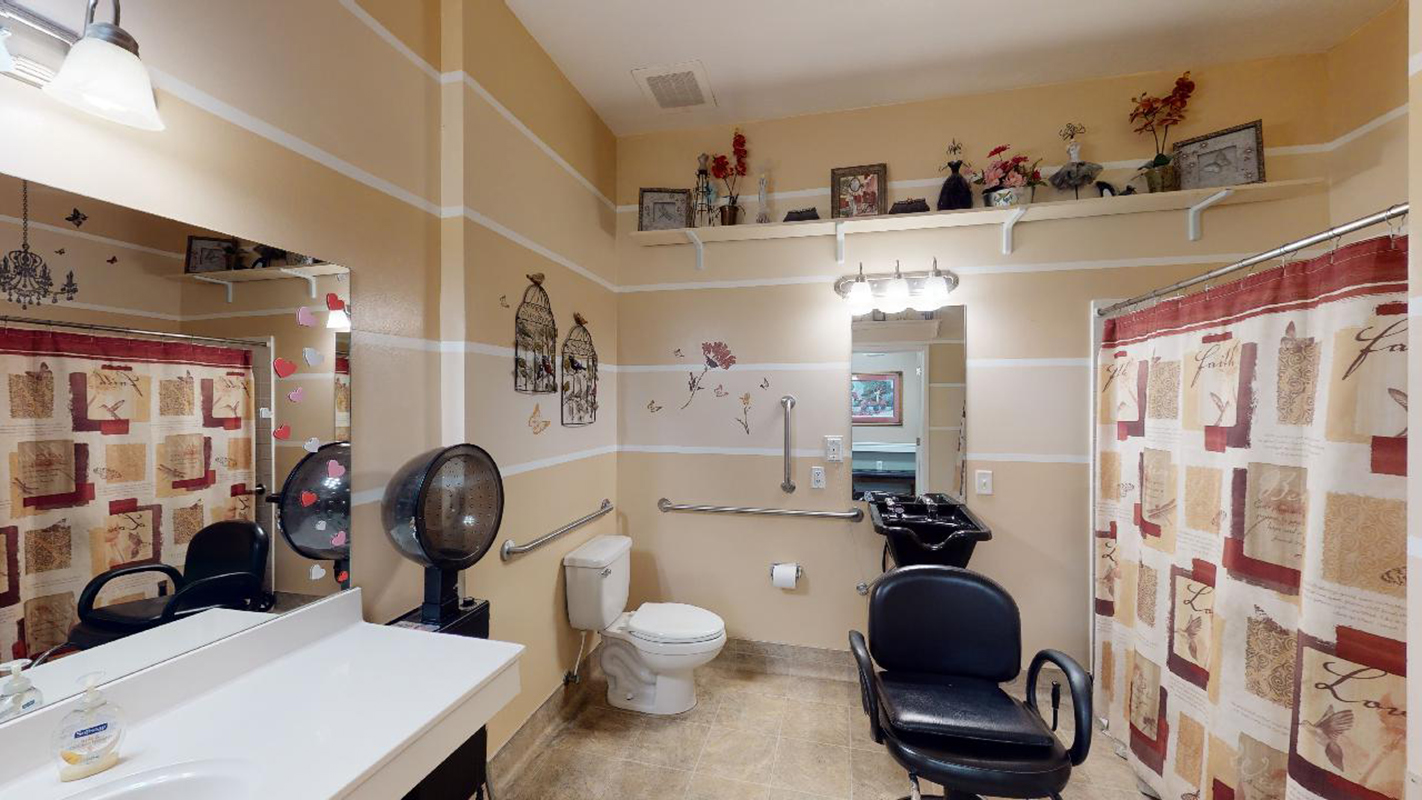
A well-run neighborhood need to also be honest about limits. It must clarify exactly how it takes care of drops, wandering, resistant habits, and modifications in health and wellness. If a center promises that every problem will certainly vanish, that is a warning sign. Actual memory care is not magical. It is knowledgeable, alert, and sincere concerning what dementia can and can not be fixed to do.
The compromises are real, and families deserve honesty
Memory care enhances safety and life, however it is not the right solution for every circumstance at every minute. Some individuals in the beginning of cognitive decrease are still much better served by home-based support, adult day programs, or assisted living with added help. Others need memory care earlier since the risks at home have actually ended up being too serious. The timing depends upon the person, the household, and the pressure on caregivers.
Cost is part of the conversation as well. Memory care normally sets you back greater than standard assisted living because staffing and guidance demands are greater. That can feel discouraging, especially when families are currently spending for medications, home modifications, or outside aid. However contrasting only the regular monthly rate misses the larger image. If the home setting requires numerous assistants, repeated ER visits, or consistent household existence, the apparent financial savings may not be real.
There is likewise an emotional trade-off. Moving to memory care can feel like abandonment, also when it is the appropriate choice. Family members may grieve the loss of the old home, old regimens, and old functions. Those sensations are typical. Good elder care does not pretend or else. It provides individuals enough sustain to encounter the change honestly.
What an excellent day can look like
An excellent day in memory care is not excellent. It is convenient. The resident awaken in a familiar room, obtains help with dressing if needed, and heads to morning meal without a long, confusing search for the kitchen. A caretaker notices tiredness and provides a quieter activity as opposed to requiring engagement. Lunch begins time. Medication is given correctly. There is a walk, a game, maybe a favored song. If anxiety increases in the late mid-day, team readjust the environment prior to it turns into a blow-up.
That common steadiness may appear modest, however, for someone living with dementia it is substantial. Much less concern. Fewer injuries. More self-respect. Much more possibilities to do well at the small jobs that still matter. Better rest at night because the day was not a series of emergencies.
That is the genuine promise of memory care. Not to get rid of amnesia, since it can not. Not to replace household, due to the fact that it needs to not. The pledge is to develop a safer, calmer every day life around the abilities that remain, while securing the individual when their very own judgment no longer can. For many families, that is the point at which fret begins to reduce and much better minutes begin to turn up once more, eventually at a time.
BeeHive Homes of Draper provides assisted living care
BeeHive Homes of Draper provides memory care services
BeeHive Homes of Draper provides respite care services
BeeHive Homes of Draper supports assistance with bathing and grooming
BeeHive Homes of Draper offers private bedrooms with private bathrooms
BeeHive Homes of Draper provides medication monitoring and documentation
BeeHive Homes of Draper serves dietitian-approved meals
BeeHive Homes of Draper provides housekeeping services
BeeHive Homes of Draper provides laundry services
BeeHive Homes of Draper offers community dining and social engagement activities
BeeHive Homes of Draper features life enrichment activities
BeeHive Homes of Draper supports personal care assistance during meals and daily routines
BeeHive Homes of Draper promotes frequent physical and mental exercise opportunities
BeeHive Homes of Draper provides a home-like residential environment
BeeHive Homes of Draper creates customized care plans as residents’ needs change
BeeHive Homes of Draper assesses individual resident care needs
BeeHive Homes of Draper accepts private pay and long-term care insurance
BeeHive Homes of Draper assists qualified veterans with Aid and Attendance benefits
BeeHive Homes of Draper encourages meaningful resident-to-staff relationships
BeeHive Homes of Draper delivers compassionate, attentive senior care focused on dignity and comfort
BeeHive Homes of Draper has a phone number of (801) 495-3100
BeeHive Homes of Draper has an address of 711 Pioneer Rd, Draper, UT 84020
BeeHive Homes of Draper has a website https://beehivehomes.com/locations/draper/
BeeHive Homes of Draper has Google Maps listing https://maps.app.goo.gl/LgtrXf95hQFVgKrY8
BeeHive Homes of Draper has Facebook page https://www.facebook.com/BeeHiveDraper/
BeeHive Homes of Draper won Top Assisted Living Homes 2025
BeeHive Homes of Draper earned Best Customer Service Award 2024
BeeHive Homes of Draper placed 1st for Utah Senior Living Communities 2025
People Also Ask about BeeHive Homes of Draper
What is BeeHive Homes of Draper Living monthly room rate?
Our monthly rates for both Assisted Living and Memory Care at BeeHive Homes of Draper are thoughtfully designed to be all-inclusive. While pricing reflects each resident’s unique care needs, families appreciate that once a rate is established, it remains stable - no hidden fees or surprise increases as care evolves. We believe in clarity, consistency, and peace of mind
Can residents stay in BeeHive Homes of Draper until the end of their life?
In many cases, yes. We are honored to support residents throughout their journey, including end-of-life care, right here in the comfort of our Draper home. There are rare occasions when medical needs exceed our licensing (such as 24-hour skilled nursing) but we’ll always guide families through any transition with care and compassion
Do we have a nurse on staff?
Yes, we do. Our Registered Nurse, Jacque Parker, R.N., works closely with local home health nurses and house-call physicians to coordinate excellent care. This collaboration allows us to meet a wide range of health needs right here at home
What are BeeHive Homes of Draper's visiting hours?
We know how important it is to stay close to loved ones. That’s why visiting hours at our Draper home are flexible and designed around what works best for the resident. You’re welcome to visit during the day... just try not to come to early and stay too late
Do You Offer Rooms for Couples?
Yes, we do! BeeHive Homes of Draper offers select suites for couples who wish to continue living together while receiving care. These shared accommodations preserve comfort and connection while ensuring both individuals get the personalized support they need. Availability is limited, so reach out to learn more
Do You Provide Senior Day Care or Respite Services?
Absolutely. Our senior day care and short-term respite care options are perfect for families who need extra help during the day or while traveling. Guests enjoy the same high-quality care, engaging activities, and home-cooked meals as our full-time residents, all in a safe, social environment. We’ll help you find a care plan that fits your schedule and your loved one’s needs.
What’s the Difference Between Assisted Living and Memory Care?
Assisted living is best for seniors who benefit from help with daily activities but still enjoy socializing and independence. Memory care is a more structured service tailored to individuals with Alzheimer’s or other cognitive conditions, with routines, guidance, and security that support safety and emotional well-being.
Where is BeeHive Homes of Draper located?
BeeHive Homes of Draper is conveniently located at 711 Pioneer Rd, Draper, UT 84020. You can easily find directions on Google Maps or call at (801) 495-3100 Monday through Sunday Open 24 hours
How can I contact BeeHive Homes of Draper?
You can contact BeeHive Homes of Draper by phone at: (801) 495-3100, visit their website at https://beehivehomes.com/locations/draper/ or connect on social media via Facebook
Stonebridge Park is a relaxing neighborhood park that complements the active lifestyles encouraged through Assisted living, memory care, senior care, elderly care, and respite care.